Roof Repairs
Repairs across Ryde and Eastwood, where end-of-life terracotta and gutters overwhelmed on steep blocks cause most leaks.
Learn more →Roof inspections and written reports across the Ryde district for buyers, owners, strata committees and insurance claims. Photographed and itemised.
Most people do not want a roof inspection. They want a document — something to take to an auction in Denistone East, an insurer after a storm, a strata committee at a Meadowbank tower, or a family argument about whether to spend the money this year or next.
That is what this is. An inspection of the roof and the roof space, photographed properly, written in plain English, with the defects separated into what is urgent, what is maintenance and what can wait. No obligation to have any of the work done, and no charge for the inspection itself when it is part of quoting work.
Call (02) 9100 0199 to arrange it.
Buyers. The brick housing through Ryde, West Ryde, Denistone and Eastwood is largely inter-war and post-war, and a lot of it is still under its original terracotta. A roof at that age is either sound and well maintained or quietly at the end of its service life, and the difference between those two is a five-figure number. It does not show from the footpath.
Owners deciding between repair and replacement. If you have had three contradictory opinions, an independent condition assessment is the cheapest way to settle it.
Insurance claims. After a storm or a water event, an insurer wants to know what failed, where, and whether it is damage or wear. A dated, photographed report is worth far more than a recollection.
Strata committees and owners corporations. The 1960s and 70s walk-ups across the older centres, and the newer towers around Macquarie Park, Meadowbank and Melrose Park, all have roofs that need documenting before money is voted on.
Vendors. Occasionally the better move is to get the roof assessed before listing, so you are negotiating from a document rather than from a buyer's worst assumption.
Local context changes what matters in a report.
On the ridges between the two rivers, the slope of the block matters as much as the roof. A long roof plane feeding one low corner is a drainage finding, not a nice-to-know, and the City of Ryde stormwater provisions work from gravity-fed drainage to the low point of the site, with charged systems and inter-allotment easements for blocks where that is not available.
Under the established gums around the Field of Mars Reserve, Brush Farm Park, Darvall Park and Buffalo Creek Reserve, leaf load is a maintenance finding with a real cost attached, because packed valleys rust and overflow.
On the river and harbour frontages at Putney, Tennyson Point, Henley, Huntleys Point and Woolwich, fasteners, flashings and gutters corrode before the roof does, so the report pays attention to the metal.
And in the heritage pocket, what you are allowed to do is part of the finding. The City of Ryde LEP 2014 lists heritage conservation areas, and in the Municipality of Hunters Hill complying development is not available inside a conservation area, with council issuing heritage exemption letters only for genuinely minor work such as slate replaced in slate with matching flashings and capping. A report that recommends a material change without mentioning that is not much use to you.
On pre-1990 housing there may be asbestos cement in eaves, gables or sheet roofing. An inspection notes where it is suspected and recommends testing — it does not sample, cut or disturb it. In NSW, removing more than 10 square metres of non-friable asbestos requires a licensed asbestos removalist, who must notify SafeWork NSW at least five calendar days before starting. If removal becomes part of a job, it is priced and scheduled as its own line.
Give us the address, the roof type if you know it, and what the report is for — purchase, claim, strata, or a decision you are trying to make. Tell us the deadline, because auction timelines are real.
Inspections are carried out by established, licensed and insured roofing contractors working to NSW Fair Trading requirements, and any work that follows is quoted in writing and carries a workmanship warranty. If the report says your roof is fine, that is what it will say.
Call (02) 9100 0199 or send the form. We inspect across the whole service area, including Macquarie Park, Meadowbank and Woolwich. If you already know what is wrong, go straight to roof repairs or storm and emergency repairs.
Repairs across Ryde and Eastwood, where end-of-life terracotta and gutters overwhelmed on steep blocks cause most leaks.
Learn more →Re-roofing inter-war bungalows across Ryde, and the low-pitch and near-flat sections on 1960s walk-ups.
Learn more →Colorbond roofing across the Ryde district, including tile-to-metal conversions on low-pitch roofs.
Learn more →Restoration for original terracotta roofs around Ryde: rebedding, repointing and recoating rather than replacing.
Learn more →Gutter and downpipe upgrades across Ryde, sized for the runoff a steep block actually concentrates.
Learn more →Storm response across Ryde, Eastwood and Gladesville after heavy rain and wind.
Learn more →That is a common request in this area, particularly on the older brick housing where the roof is the one original element left. Tell us the address and the deadline when you call. What you get is a condition assessment of the roof and roof space with photographs and a plain-language summary of what needs doing and roughly in what order, so you are bidding with the roof priced rather than hoped about.
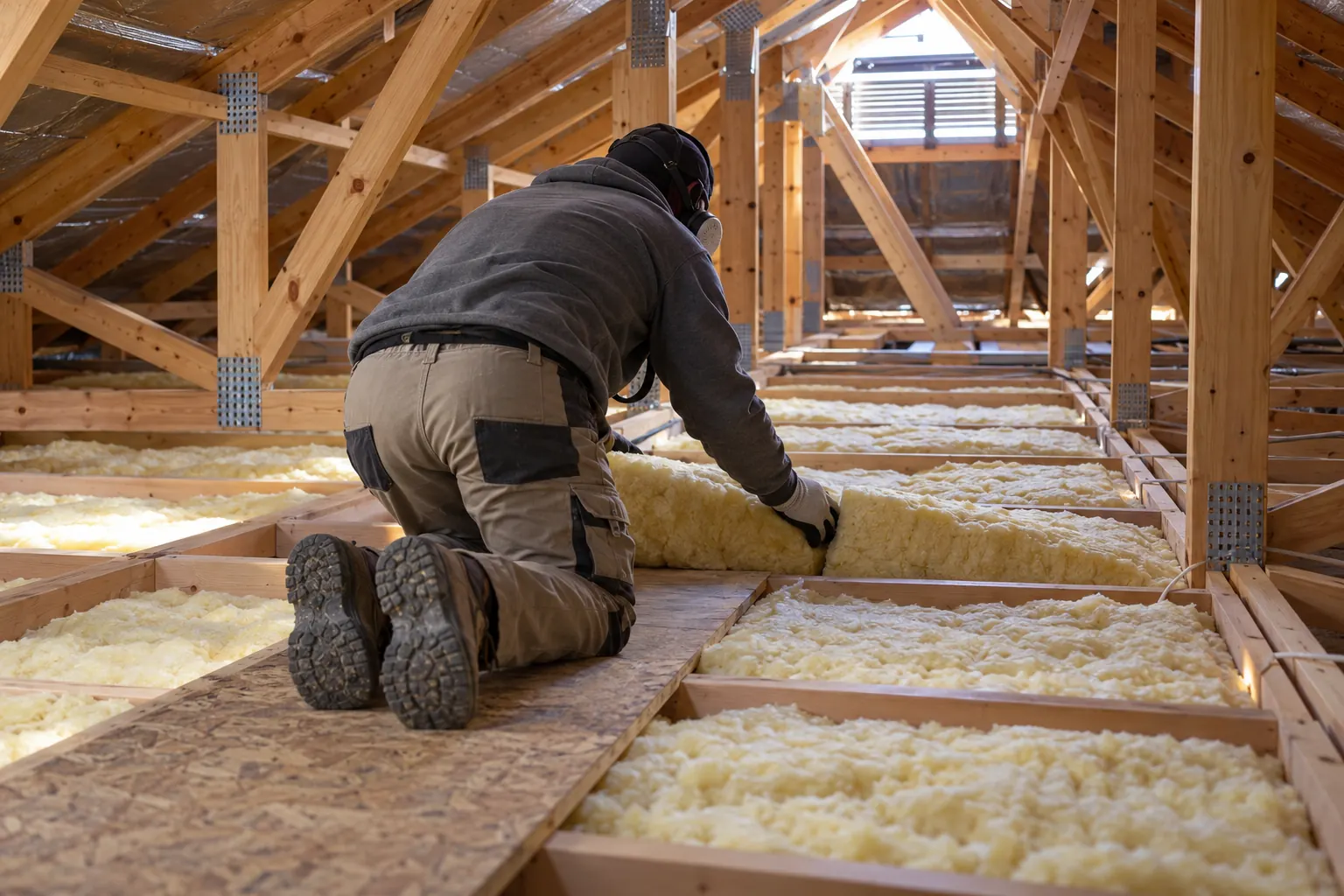
A general building inspection covers the whole property and the roof gets a paragraph, often taken from ground level or from a ladder at the eave. A roof-specific inspection gets onto the roof where it is safe, into the ceiling space, and looks at the things that decide whether a roof has five years left or twenty-five: bedding and pointing condition, valley trays, flashings, batten and sarking condition, and whether the drainage is sized for the block.
A description of the roof — material, approximate age, pitch, drainage arrangement. Then condition, item by item: tiles or sheeting, ridge and hip capping, valleys, flashings and penetrations, gutters, downpipes and any box gutters, plus what is visible of the structure and sarking from inside. Photographs of each defect. A summary that separates what is urgent from what is maintenance, and what the repair options are. It is written to be handed to someone else.
Yes, and the low-pitch blocks across the older centres here need a different inspection to a house. The focus goes onto the box gutters, sumps, internal downpipes, parapet and apron flashings, overflow provision and the condition of the membrane or sheeting at every join. The report is structured so a committee can read it, prioritise and get comparable quotes, rather than a single page that says the roof needs work.
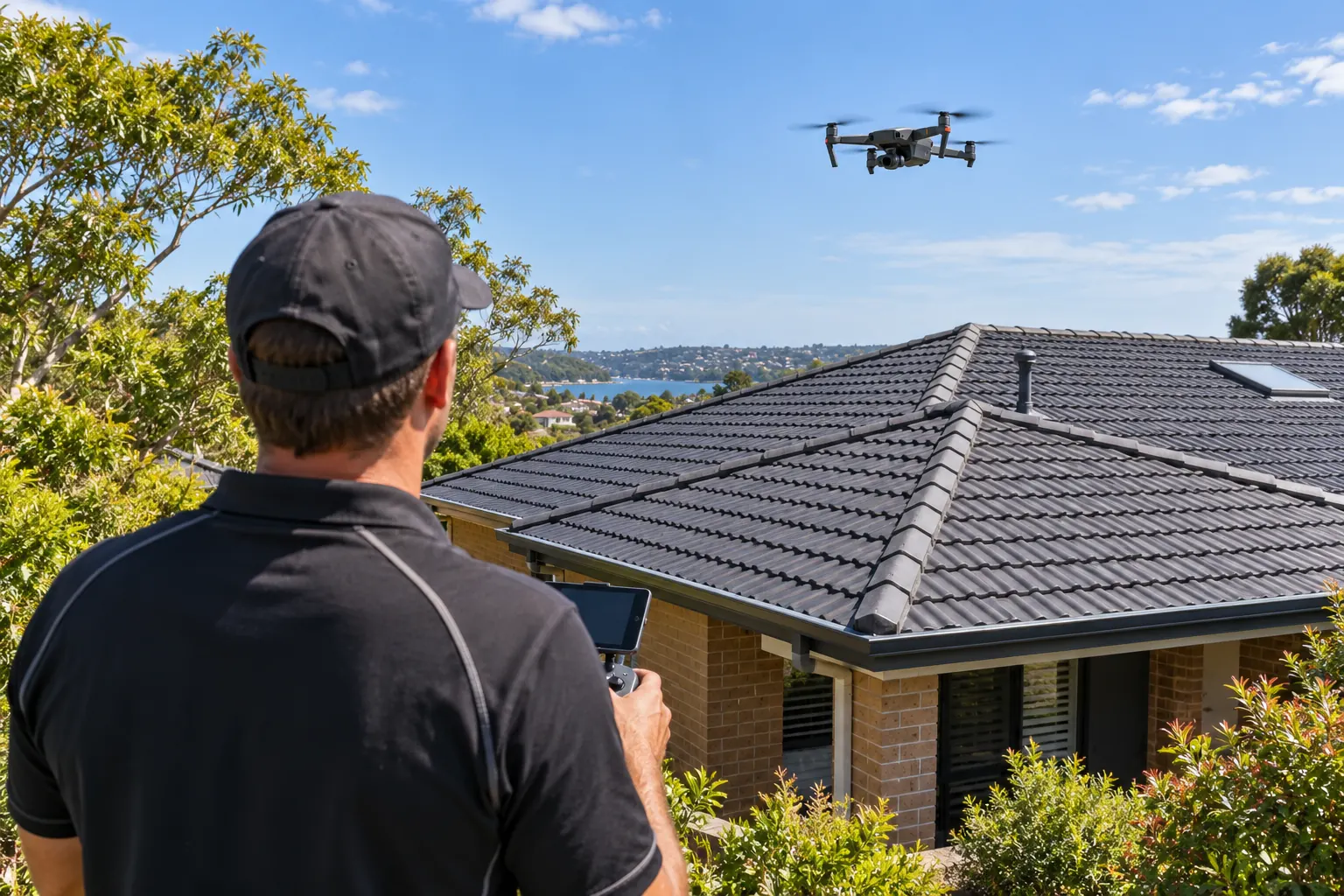
A drone is useful and it is not a substitute. It gives safe coverage of steep, two-storey and fragile roof areas, and good overall imagery of ridge lines, valleys and flashings. What it cannot do is tap capping for drummy bedding, test whether a tile has gone brittle, lift a flashing, or see the rust trail on a valley tray from inside the ceiling space. The honest answer is both: aerial imagery plus hands and eyes where access is safe.
Tell us what you need and we'll get straight back to you. Prefer to talk? Call (02) 9100 0199 and speak to someone local.
Call (02) 9100 0199